 ISO 9001, ISO 14001, ISO 45001, and IECQ QC080000
 Over 15 Years of Expertise
 FREE samples provided to ensure product satisfaction
 Rapid Turnaround: Mass Production Complete in 15 - 20 Days
Low Profile Pogo Pin
Promax Pogo Pin manufactures low profile pogo pins from 1.25 mm to 1.80 mm in length, rated 0.3A to 1A per pin. Working heights run from 0.95 mm to 1.45 mm, the lowest in our pogo pin range, so these pins suit wearables and slim board-to-board designs. We plate contacts in Gold as standard, with Nickel and Palladium options. Every pin is CNC-machined in our Dongguan facility and inspected under ISO 9001 procedures.
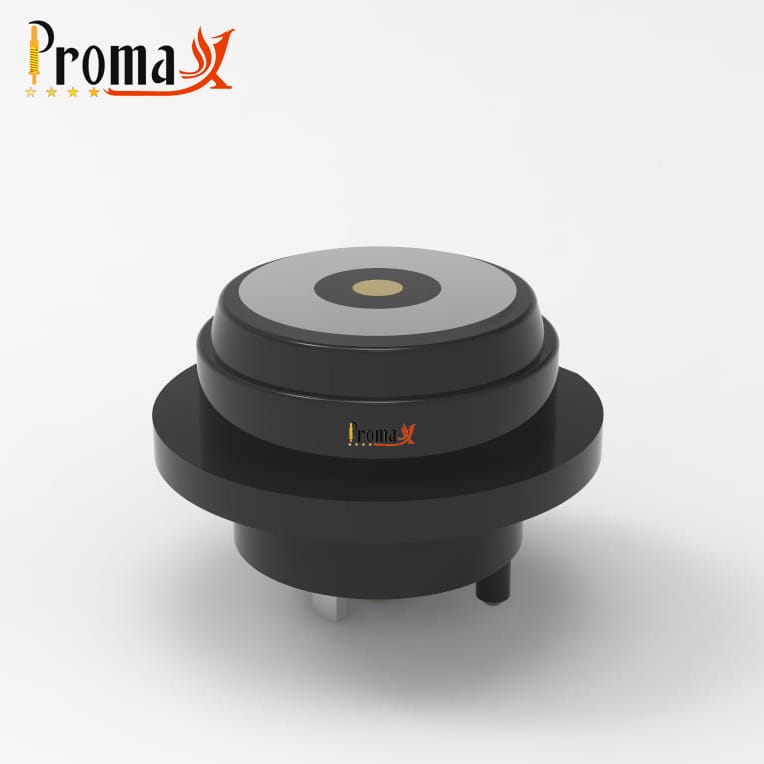
Low Profile Pogo Pin: Product Range
Low Profile Pogo Pin - C2071-01
| Specification | Value |
|---|---|
| Pin Amount | 1 |
| Length | 1.60 mm |
| Working Height | 1.20 mm |
| Spring Force | 60 gf |
| Plating | Au 10u" |
| Rated current (each contact) | 1A |
Low Profile Pogo Pin - NC6659-01RA
| Specification | Value |
|---|---|
| Pin Amount | 1 |
| Length | 1.25 mm |
| Working Height | 1.00 mm |
| Spring Force | 35 gf |
| Plating | Au 10u" |
| Rated current (each contact) | 0.3A |
Low Profile Pogo Pin - NC6620-01RA
| Specification | Value |
|---|---|
| Pin Amount | 1 |
| Length | 1.45 mm |
| Working Height | 1.20 mm |
| Spring Force | 45 gf |
| Plating | Au 10u" |
| Rated current (each contact) | 0.3A |
Low Profile Pogo Pin - NC6097-01PA
| Specification | Value |
|---|---|
| Pin Amount | 1 |
| Length | 1.25 mm |
| Working Height | 0.95 mm |
| Spring Force | 25 gf |
| Plating | Au 5u" |
| Rated current (each contact) | 1A |
Low Profile Pogo Pin - NC6096-01PA
| Specification | Value |
|---|---|
| Pin Amount | 1 |
| Length | 1.40 mm |
| Working Height | 1.05 mm |
| Spring Force | 30 gf |
| Plating | Au 5u" |
| Rated current (each contact) | 1A |
Low Profile Pogo Pin - NC6083-01RA
| Specification | Value |
|---|---|
| Pin Amount | 1 |
| Length | 1.60 mm |
| Working Height | 1.20 mm |
| Spring Force | 35 gf |
| Plating | Au 10u" |
| Rated current (each contact) | 1A |
Low Profile Pogo Pin - NC2016-01R
| Specification | Value |
|---|---|
| Pin Amount | 1 |
| Length | 1.80 mm |
| Working Height | 1.45 mm |
| Spring Force | 60 gf |
| Plating | Au 5u" |
| Rated current (each contact) | 0.5A |
How to Choose the Right Low Profile Pogo Pin
A low profile pogo pin sits almost flush to the board, so it fits designs where the Z-axis budget is measured in tenths of a millimetre. The right pin depends on your height budget, current, spring force, and plating. Use the steps below to spec it before requesting samples.
- Start with your working height budget. Our low profile pins work at 0.95 mm to 1.45 mm, the lowest in our pogo pin range. Pick the height that clears your stack with the mating surface compressed. Send your Z-axis clearance and we’ll match the pin.
- Match the pin length to your pad and stack. These pins run 1.25 mm to 1.80 mm long. The shortest suit wearables and true wireless earbuds, while the longest give a little more travel. Share your board thickness for a fit check.
- Set the current rating for your load. Low profile pins carry 0.3A to 1A each. Match the rating to your peak current with margin, and gang pins in parallel when one contact will not carry it. We widen the barrel and plating when your design needs more.
- Choose the spring force for your solder joint. Spring force spans 25 gf to 60 gf across the range. Lighter force protects the solder joint on thin, flexible boards. Higher force holds contact under vibration in a pocket-carried device.
- Pick the plating for your cycle count. Gold is our standard finish at 5u″ and 10u″ for low, stable contact resistance. Thicker gold buys cycle life on charging contacts that mate every day. Tell us your cycle count and we’ll match the finish.
- Confirm the mount suits your assembly. Flat-bottom SMT/SMD pins reflow in the same pass as the rest of your board. A surface-mount joint carries less lateral load than a through-hole pin, so support the mating part where side thrust is likely.
- Not sure which pin fits? Talk to our engineers. Send us your height budget, current, and board layout. We’ll match a catalog pin or design a custom low profile pogo pin. Free samples ship within two weeks.
Low Profile Pogo Pin FAQs
What makes a low profile pogo pin different from a standard pogo pin?
A low profile pin sits almost flush to the board, working at 0.95 mm to 1.45 mm where a standard pogo pin needs 2 mm or more. You trade some current capacity and lateral strength for that height. It is the right choice when the Z-axis budget, not the current, is what constrains your design.
How low a working height can these pins reach?
Our low profile pins work as low as 0.95 mm, from a pin 1.25 mm long. That is the lowest in our pogo pin range and fits smartwatches, true wireless earbuds, and slim board-to-board stacks. Send us your Z-axis clearance and we will match a pin to it.
What current can a low profile pogo pin carry?
These pins carry 0.3A to 1A each, depending on barrel diameter and plating. Where a single contact will not carry your load, gang pins in parallel across the connector. Tell us your peak current and we will size the barrel and plating around it.
What plating options are available?
Gold is our standard finish, at 5u″ and 10u″ on the catalog range, for low and stable contact resistance. Thicker gold buys cycle life on charging contacts that mate every day. Nickel and Palladium options are available where wear resistance or cost matters more.
Will these pins survive a standard reflow profile?
Yes. The flat-bottom SMT/SMD base solders in the same reflow pass as the rest of your board components, so there is no separate assembly step. Send us your solder profile and we will confirm compatibility before you commit to a build.
Are there any trade-offs to going this low?
There are, and they are worth designing around. A surface-mount joint has lower solder strength than a through-hole pin, so it tolerates less lateral thrust. Below about 1.5 mm the mechanics get harder still. Support the mating part where side load is likely, and talk to us early if your design pushes the limit.
How fast can I get samples?
Free samples ship within two weeks of an approved design, with mass production following in three to four weeks. We return engineering feedback on your drawing before cutting any metal, so problems surface before tooling rather than after.
Need pogo pins fast? Talk to an engineer
Get a custom quote, spec matching, and manufacturing guidance—without slowing down your project.
- ISO 9001 / 14001 / 45001 + IECQ QC080000
- 15+ years of expertise
- Free samples
- Mass production in 15–20 days