 ISO 9001, ISO 14001, ISO 45001, and IECQ QC080000
 Manufacturing Since 2014
 FREE samples provided to ensure product satisfaction
 Rapid Turnaround: Mass Production Complete in 15 - 20 Days

Turning
Every pogo pin component starts on precision CNC turning equipment, machined to tight tolerances for a consistent fit between plunger, barrel, and spring.



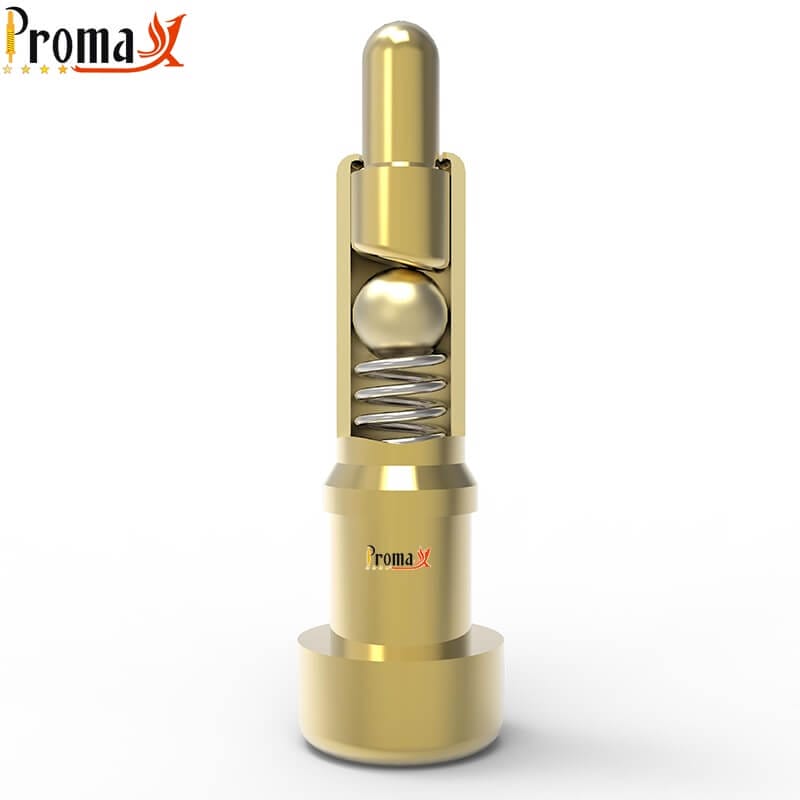
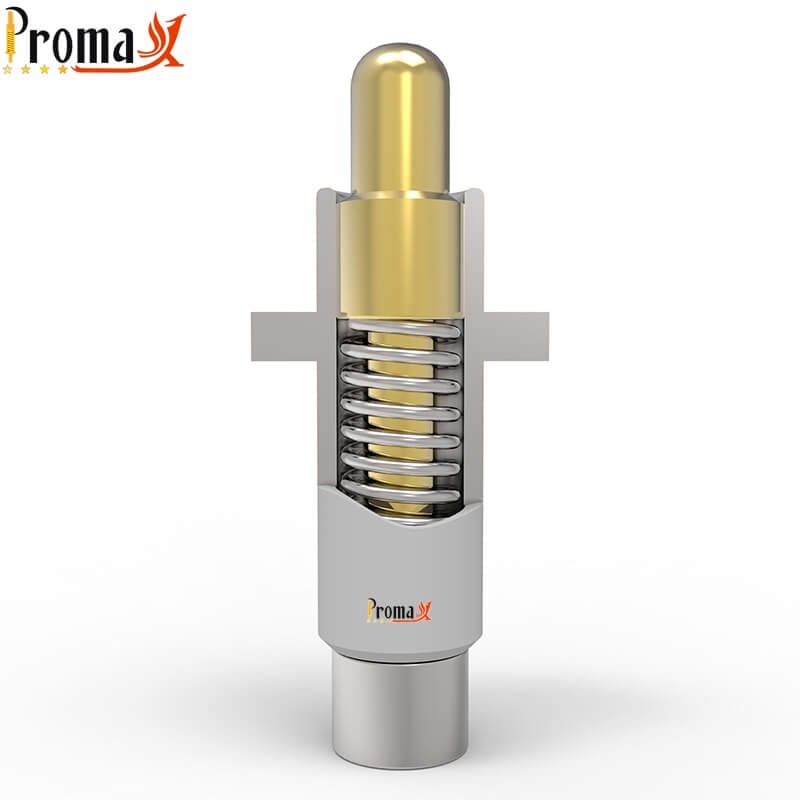
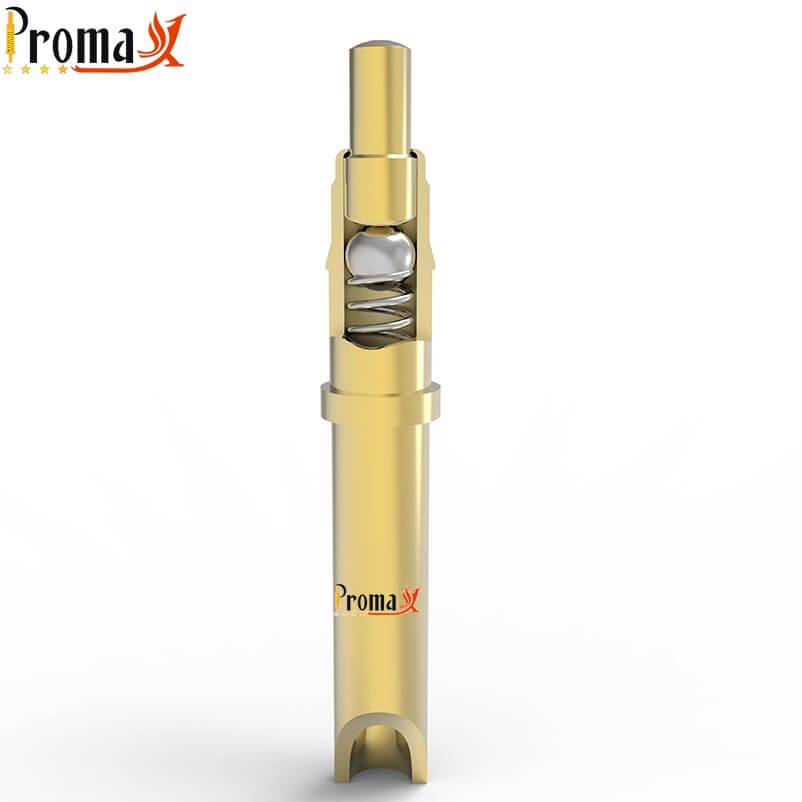
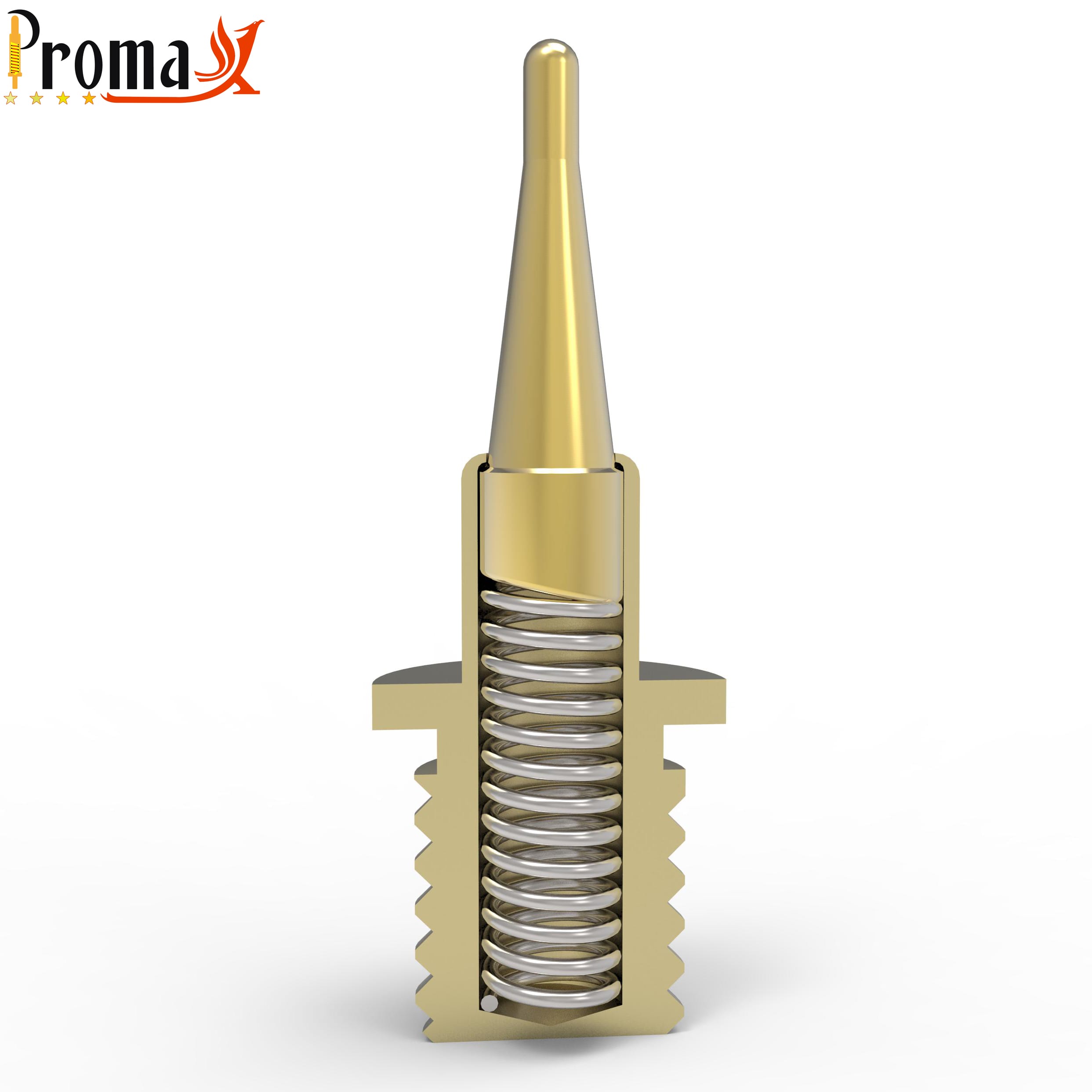
Spring-loaded pogo pins (also called spring probes or contacts) are precision electrical connectors that ensure reliable, temporary connections between circuits and components. A built-in spring maintains consistent contact while accommodating mechanical tolerances and misalignment. Each pin features three machined parts—a spring-loaded plunger, a barrel housing, and an internal compression spring—and can endure hundreds of thousands of mating cycles while offering low electrical resistance and high reliability in demanding applications.





| Plating | Conductivity | Wear Resistance | Corrosion Resistance | Relative Cost | Typical Application |
|---|---|---|---|---|---|
| Gold | Excellent | High | Excellent | High | Precision and low-resistance contacts |
| Nickel | Good | High | High | Medium | Underlayer and protective coating |
| Rhodium | Excellent | Excellent | Excellent | Very High | High-cycle test probes |
| Palladium-Nickel | Good | Excellent | High | High | Durable precision connectors |
| Silver | Excellent | Medium | Medium | Medium | High-current pogo pins |
| Tin | Good | Low | Medium | Low | Solderable terminals |
A spring-loaded pogo pin creates an electrical connection when its plunger contacts the mating surface and compresses into the barrel. The internal spring maintains consistent contact force, helping the connection remain stable under vibration, thermal expansion, and repeated use.
Working Heights and Force Specifications:
Electrical Characteristics:
Every pogo pin component starts on precision CNC turning equipment, machined to tight tolerances for a consistent fit between plunger, barrel, and spring.
Machined parts are ground to finish critical dimensions, refining fit and surface finish beyond what turning alone can achieve.

Components are electroplated with the specified contact materials and finishes, such as gold, nickel, silver, or tin, to meet each application’s conductivity and durability requirements.

The plunger, spring, and barrel are precisely assembled into a single pogo pin, ready for electrical and mechanical testing.

Every batch undergoes comprehensive electrical and mechanical testing, including 100% contact resistance checks and mechanical force verification.

Finished pins are packed in anti-static packaging designed to prevent damage during shipping and handling.

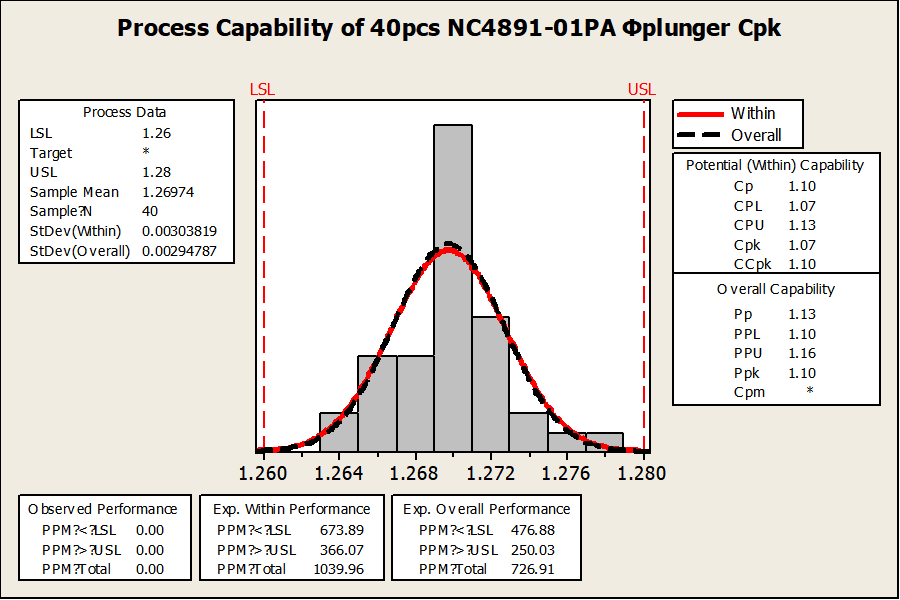
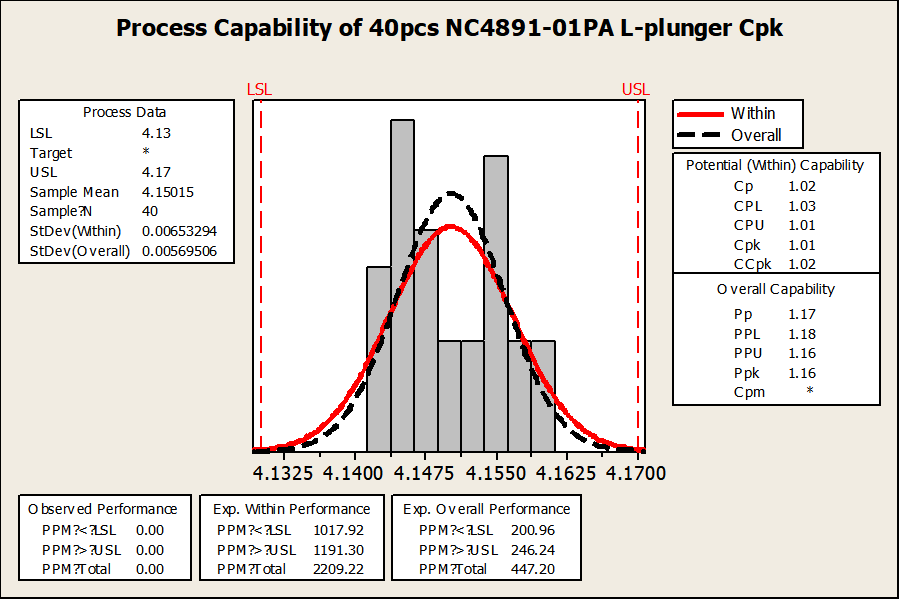
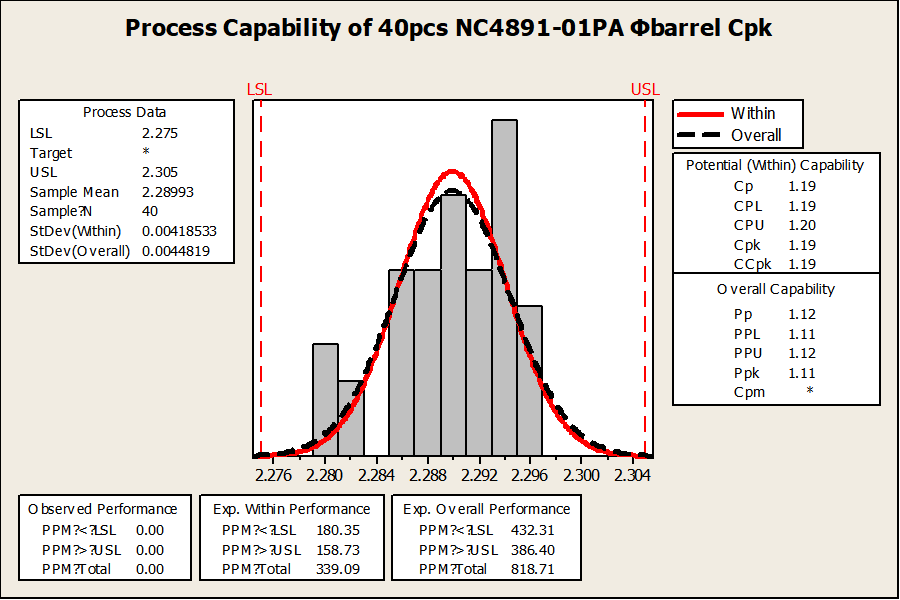
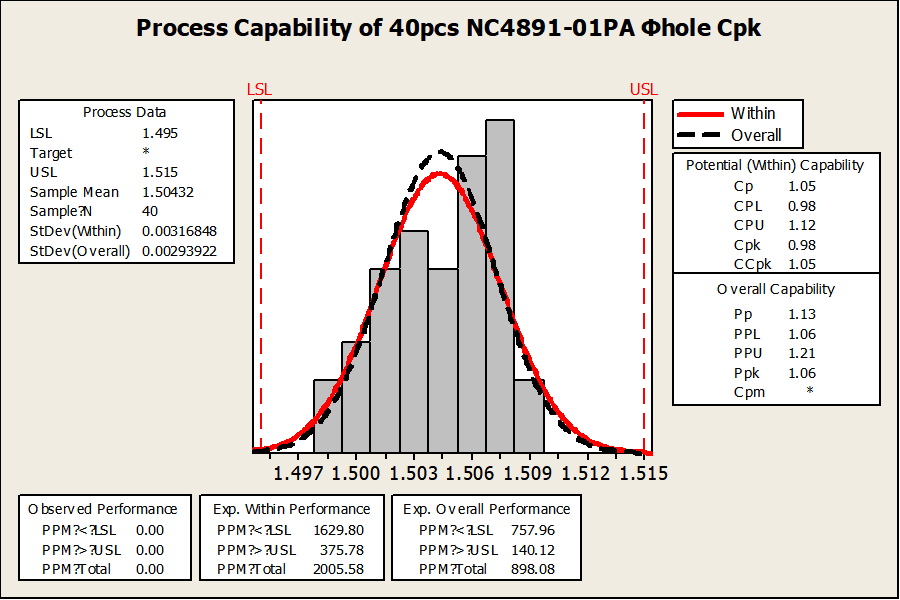
Continuous improvement → Target Cpk 1.33
Near or exceeds Six Sigma standard


Spring loaded pogo pins are the contact element of choice anywhere a PCB designer needs a high-cycle, blind-mate, low-resistance interface that survives 100,000+ mating cycles. Because pins are sold loose (in tape and reel, tray, or tube), engineers select by mount type, profile, termination, and current rating — then reflow, wave-solder, press-fit, or wire-terminate them onto their own boards. Below are the nine application areas where Promax pogo pins are designed-in most often:
Smartwatches, TWS earbud cases, fitness trackers, smart glasses, and 2-in-1 laptop hinges expose SMT/SMD pogo pins reflowed directly onto the device PCB as the charging-contact face. The 0.4–1.0 mm pitch options and low-profile heights fit inside ultra-thin enclosures, and gold-over-nickel plating tolerates 10,000+ daily charging mates without contact-resistance drift.
Bed-of-nails fixtures, in-circuit test (ICT) jigs, functional test (FCT) rigs, programming sockets, boundary-scan adapters, and burn-in boards rely on spring contact probes (pogo test pins) to make non-destructive, repeatable contact with PCB test pads, BGA balls, and gold fingers. Cycle-life ratings up to 1,000,000 mates and contact resistance under 50 mΩ keep yield numbers honest across long production runs.
Continuous glucose monitors (CGMs), hearing-aid charging cradles, ECG patches, intra-oral cameras, surgical-tool tips, and single-use diagnostic cartridges integrate gold-plated SMT/SMD and through-hole pogo pins as the device-to-cradle contact. Biocompatible plating (gold over nickel, 30µ” minimum) tolerates repeated wipe-down disinfection, supporting ISO 13485 traceability requirements.
EV battery management systems (BMS), lithium battery pack interconnects, e-bike charging cradles, cordless power-tool packs, and portable power-station modules use high-current pogo pins carrying up to 15 A continuous. T-pin, ball, and coaxial internal designs keep contact resistance under 30 mΩ for sustained-load thermal stability, with bias-tail variants for <3 A signal/sense lines on the same pack header.
5G small-cell base stations, MIMO antenna feeds, Wi-Fi 6E modules, RF test fixtures, and wireless IoT gateways use compact SMT/SMD pogo pins for controlled-impedance board-to-board signal transmission. Silver-plated pins enhance conductivity for high-frequency designs in the sub-6 GHz band, and the consistent contact pressure preserves signal integrity through vibration and thermal expansion.
Robotic end-of-arm tooling, AGV/AMR charging contacts, modular factory sensors, smart electricity meters, and quick-change tooling heads use bending-type pogo pins and solder-cup pogo pins to handle 24/7 docking duty cycles. The compliant spring travel (1–3 mm) absorbs mechanical tolerance stack-up that would damage rigid screw or pin-header connectors.
Infotainment dock connectors, ADAS sensor modules, dashcams, OBD-II diagnostic readers, dashboard cameras, and in-vehicle accessory hubs use through-hole and right-angle pogo pins for robust, vibration-resistant docking. The right-angle profile suits edge-mount applications where the mating axis is parallel to the PCB and vertical board space is constrained.
Field radios, soldier-worn devices, helmet-mounted displays, drone docking stations, satellite communication modules, and ruggedised handhelds specify stainless-steel-housing pogo pins paired with high-current pogo pins for combined power-and-data through a single mating face. Tested to 50 G shock and 10 G vibration minimum, with high-temperature variants up to +150 °C and military-spec plating options for extra-atmospheric deployment.
Mezzanine board stacks, daughter-card interconnects, and modular instrument backplanes use double-ended pogo pins where both ends compress against opposing PCBs. For wire-to-board terminations — sensor harnesses, motor leads, antenna pigtails — engineers spec solder-cup pogo pins for soldered cable tails or thread-screw pogo pins for field-replaceable, screw-in mounting.
Promax Pogo Pin has emerged as a leading manufacturer by continuously innovating in new materials, electroplating technology, and advanced manufacturing processes, ensuring the production of reliable, high-performance pogo pin connectors.We are dedicated to offering both standard and custom products tailored to meet the specific needs of our customers.Read More

Promax Pogo Pin has assisted us with numerous on-site issues. Their experienced engineers quickly resolved the high-temperature problem caused by excessive current in pogo pins. I highly recommend them as a connector solution provider.
Paul Jelloy
Customer from UK
Promax Pogo Pin combines in-house tooling, IATF16949/ISO-certified manufacturing, and 15+ years of connector engineering to keep your program on schedule and on budget—from first prototype to mass production.
Factory-direct manufacturing and streamlined production cut out middleman markups, giving you consistent per-unit pricing that scales with your order volume.
Dedicated engineers reply to technical queries and quote requests within 24 hours, with free samples available to validate fit before you commit to a run.
SMT/SMD, through-hole, right-angle, double-ended, high-current, and test pogo pins are stocked and ready to ship, so common specs don’t wait on a full production cycle.
Spring force, stroke, plating, current rating, and packaging are engineered to your exact application—mass production typically ships in 15–20 days.
Get a custom quote, spec matching, and manufacturing guidance—without slowing down your project.
Spring loaded pogo pins typically provide 10,000 to 1,000,000+ mating cycles depending on the specific design, application conditions, and quality of materials used. Our standard pins are rated for 100,000 cycles minimum.
Consider your total normal force requirements, the number of pins in your array, and the mechanical compliance of your mating surfaces. Our standard 60-gram force pins work well for most applications, but custom forces are available.
Yes, properly designed spring loaded pins can handle high-frequency signals. Consider controlled impedance designs and proper grounding techniques for optimal signal integrity.
Spring loaded pins offer temporary connections with built-in compliance for misalignment, while traditional connectors typically provide permanent connections with potentially higher current capacity but less mechanical flexibility.
Gold plating offers the best corrosion resistance and contact stability for most applications. Silver provides enhanced conductivity for high-frequency applications, while tin offers a cost-effective solution for less demanding environments.